Ways to Support the Gut-Hormone-Immune Axis
The complex interplay between the gut, hormones, and immune system forms a delicate balance that is essential for maintaining overall health and vitality. This interconnected network, known as the gut-hormone-immune axis, influences numerous aspects of our well – being, including digestion, mood, energy levels, and immune function. When this axis is in harmony, it contributes to a state of optimal health. However, when disrupted, it can lead to a range of health issues, from digestive disorders to hormonal imbalances and weakened immunity.
Supporting the gut-hormone-immune axis involves adopting a holistic approach to wellness, which includes a nourishing diet, proper hydration, stress management, and more. In this blog post, we’ll explore various strategies to promote balance within this crucial axis and enhance your overall well-being.
1. Nourishing Diet
A nutrient-dense diet is the foundation of a healthy gut-hormone-immune axis. The foods we consume directly impact gut health, hormone production, and immune function. Focus on a diet rich in whole foods, including plenty of fruits, vegetables, whole grains, lean proteins, and healthy fats. These foods provide essential vitamins, minerals, and antioxidants that support all aspects of this interconnected system.
Certain foods, such as leafy greens, berries, fatty fish, and nuts, are particularly beneficial for promoting hormonal balance and reducing inflammation. Fermented foods like yogurt, kefir, sauerkraut, and kimchi are also excellent choices, as they are rich in probiotics that help maintain a healthy gut microbiome—a key player in the gut-hormone-immune axis.
2. Hydration
Adequate hydration is vital for maintaining gastrointestinal health, hormone regulation, and immune function. Water is essential for digestion, nutrient absorption, and detoxification. It also helps to maintain the integrity of the mucosal lining of the gut, which acts as a barrier to harmful pathogens and toxins.
Drinking enough water throughout the day supports the body’s natural processes and helps flush out toxins that could disrupt the gut-hormone-immune axis. Aim to drink at least eight glasses of water daily, and more if you’re active or live in a hot climate.
3. Probiotics and Prebiotics
The gut microbiome—comprised of trillions of bacteria—plays a crucial role in the gut-hormone-immune axis. Probiotics, which are live beneficial bacteria, help to maintain a balanced microbiome, supporting digestion, hormone regulation, and immune function. Prebiotics, on the other hand, are non-digestible fibers that feed these beneficial bacteria.
Incorporating probiotics and prebiotics into your diet can help promote a healthy gut environment. Probiotics can be found in fermented foods like yogurt, kefir, miso, and tempeh, while prebiotics are abundant in foods like garlic, onions, leeks, asparagus, and bananas. Including a variety of these foods in your diet can significantly enhance gut health and, by extension, the gut-hormone-immune axis.
4. Manage Stress
Chronic stress is a significant disruptor of the gut-hormone-immune axis. When you’re under stress, your body releases stress hormones like cortisol, which can negatively affect gut health by altering the gut microbiome and increasing gut permeability (often referred to as “leaky gut”). This can lead to systemic inflammation and impaired immune function.
Managing stress through techniques like meditation, deep breathing exercises, yoga, and mindfulness can help protect the gut-hormone-immune axis. These practices not only reduce cortisol levels but also promote relaxation, which is essential for maintaining hormonal balance and supporting immune health.
5. Adequate Sleep
Sleep is a critical component of overall health, and it plays a vital role in regulating the gut-hormone-immune axis. During sleep, the body undergoes repair processes, including the regulation of hormones and the maintenance of a healthy immune system. Poor sleep or chronic sleep deprivation can lead to hormonal imbalances, increased inflammation, and a weakened immune response.
To support the gut-hormone-immune axis, aim for 7-9 hours of quality sleep each night. Establish a regular sleep routine, create a calming bedtime environment, and avoid stimulants like caffeine and electronic devices before bedtime to improve sleep quality.
6. Reduce Toxin Exposure
Toxins from the environment, such as pollutants, pesticides, and chemicals in personal care products, can disrupt the gut-hormone-immune axis. These toxins can accumulate in the body, leading to inflammation, hormonal imbalances, and impaired immune function.
To reduce toxin exposure, opt for organic foods whenever possible, choose natural cleaning and personal care products, and minimize the use of plastic containers, which can leach harmful chemicals. Supporting the body’s natural detoxification processes, such as through colon hydrotherapy, can also help reduce the toxic burden on the gut-hormone-immune axis.
7. Regular Exercise
Physical activity is another important factor in maintaining a healthy gut-hormone-immune axis. Regular exercise helps to regulate hormones, reduce inflammation, and improve immune function. It also promotes healthy digestion by stimulating gut motility and increasing blood flow to the digestive organs.
Aim for at least 30 minutes of moderate exercise most days of the week. Activities like walking, jogging, cycling, swimming, and strength training are all excellent choices that can help support overall health and well-being.
8. Herbal Support
Herbs have been used for centuries to support various aspects of health, including the gut-hormone-immune axis. Certain herbs, such as ashwagandha, turmeric, ginger, and licorice root, are known for their adaptogenic and anti-inflammatory properties. These herbs can help to balance hormones, reduce inflammation, and support immune function.
Incorporating herbal teas, tinctures, or supplements into your daily routine can be a natural and effective way to support the gut-hormone-immune axis. However, it’s always best to consult with a healthcare provider before starting any new herbal regimen.
9. Limit Sugar and Processed Foods
Excessive sugar and processed foods can wreak havoc on the gut-hormone-immune axis. These foods can disrupt the gut microbiome, promote inflammation, and lead to insulin resistance and hormonal imbalances. Diets high in sugar and processed foods are also linked to various chronic diseases, including obesity, diabetes, and cardiovascular disease.
To support a healthy gut-hormone-immune axis, limit your intake of sugary snacks, sugary beverages, and highly processed foods. Instead, focus on whole, nutrient-dense foods that nourish the body and promote balance within this critical axis.
10. Mindful Eating
Mindful eating is about paying attention to the experience of eating, including the taste, texture, and aroma of food, as well as your body’s hunger and satiety cues. This practice can help improve digestion, prevent overeating, and promote a healthy relationship with food – all of which are important for the gut-hormone-immune axis.
To practice mindful eating, try to eat slowly, savor each bite, and avoid distractions like television or smartphones during meals. By being more present and conscious of your eating habits, you can support digestive health, hormonal balance, and overall well-being.
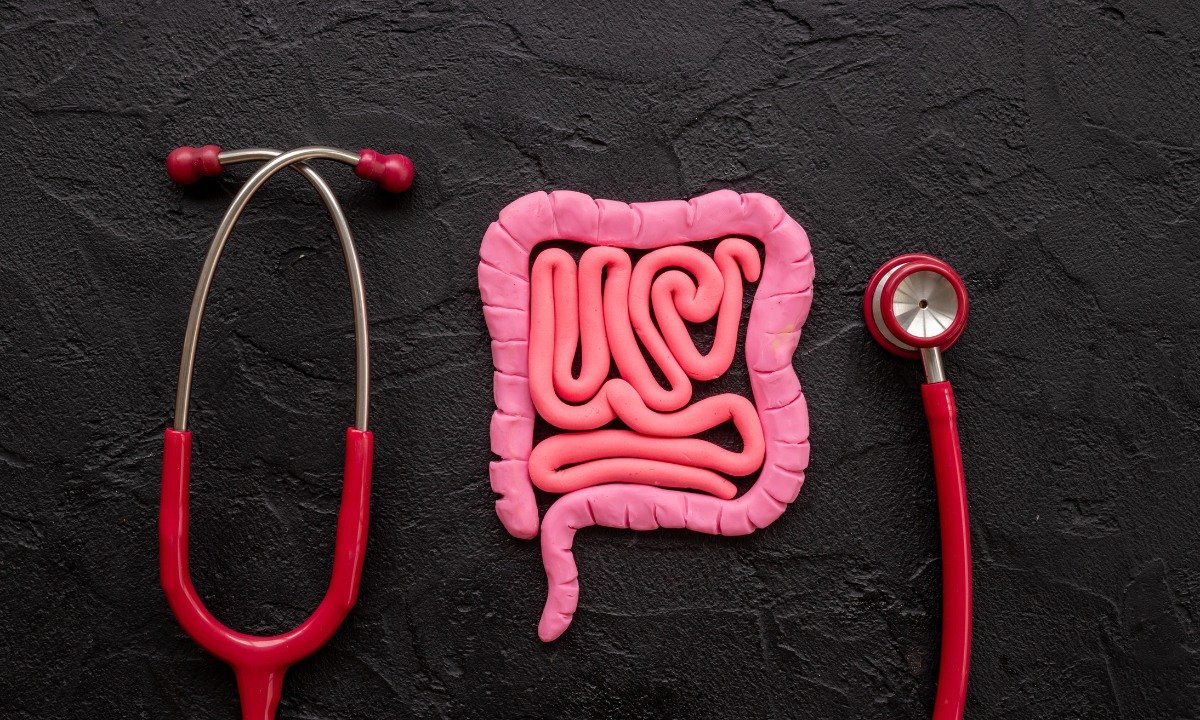
The Role of Colon Hydrotherapy in Gut and Hormonal Health
Colon Hydrotherapy is a therapeutic practice that involves gently flushing the colon with warm, filtered water to remove accumulated waste, toxins, and harmful bacteria. This cleansing process not only improves gastrointestinal health but also has a significant impact on hormonal balance.
A clean and healthy colon is essential for the proper absorption of nutrients, which are critical for hormone production and regulation. By removing toxins and waste that may otherwise linger in the colon, Colon Hydrotherapy supports the body’s natural detoxification processes, reduces inflammation, and promotes a balanced gut microbiome—all of which are crucial for hormonal health.
Additionally, Colon Hydrotherapy can help alleviate symptoms of constipation, bloating, and other digestive issues that can negatively impact hormone levels. For individuals struggling with hormonal imbalances, regular Colon Hydrotherapy sessions can be an effective way to support overall health and well-being.
At our state-of-the-art wellness center in New York City, we offer Colon Hydrotherapy as a part of our holistic approach to health. Our experienced therapists are dedicated to providing a comfortable and nurturing experience, ensuring that you receive the maximum benefits from your treatment.
People Also Ask
What is the gut-hormone axis?
The gut-hormone axis refers to the complex interplay between the gut microbiome, hormone production, and immune system function. This axis is responsible for regulating various bodily processes, including digestion, mood, energy levels, and immune response. A balanced gut-hormone axis is essential for maintaining overall health and well-being.
How does stress affect the gut-hormone-immune axis?
Chronic stress can disrupt the gut-hormone-immune axis by altering the gut microbiome, increasing gut permeability, and raising cortisol levels. This can lead to systemic inflammation, hormonal imbalances, and weakened immune function. Managing stress through techniques like meditation and yoga can help protect the gut-hormone-immune axis and support overall health.
Can Colon Hydrotherapy help with hormonal balance?
Yes, Colon Hydrotherapy can help with hormonal balance by promoting a clean and healthy colon, which is essential for nutrient absorption and hormone production. By removing toxins and waste from the colon, Colon Hydrotherapy supports the body’s natural detoxification processes, reduces inflammation, and promotes a balanced gut microbiome, all of which are crucial for hormonal health.
Conclusion
Promoting harmony within the gut-hormone-immune axis is vital for overall health and vitality. By adopting a holistic approach that includes a nourishing diet, proper hydration, stress management, and practices like Colon Hydrotherapy, you can support this delicate balance and enhance your well-being.
If you have any questions, please do not hesitate contacting our Wellness Center by calling (212) 719-3611 or fill out the form online on our Contact Us Page If you are ready to schedule an appointment with us, please follow this BOOKING LINK.