What should you eat after a colon cleanse?
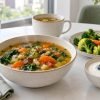
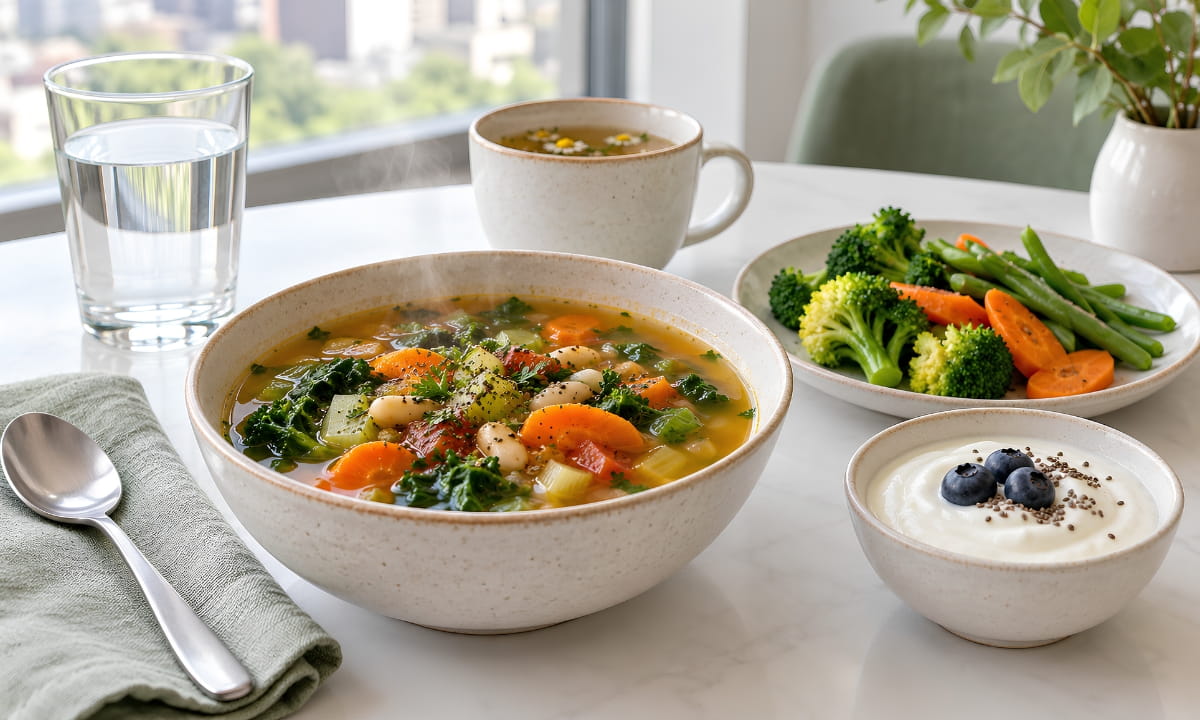
After a colon cleanse, focus on hydration, warm easy-to-digest foods, and gentle gut support. In the first few hours, drink purified water, herbal tea, or an electrolyte drink and eat a light vegetable soup. Over the next 48 hours, gradually add cooked vegetables, soft fruit, quality protein, and fermented foods such as yogurt, kefir, or miso, while avoiding alcohol, caffeine, fried foods, and heavily processed meals.
What is post-colon-cleanse eating and why does it matter?
What to eat after a colon cleanse matters because your digestive system may feel more sensitive, and your body needs fluids and nourishing foods to feel settled again. A colon cleanse, also called colon hydrotherapy or a colonic, uses warm filtered water to gently rinse the large intestine. Many people seek it for bloating, constipation, or a “reset” feeling, but the hours afterward are just as important as the session itself.
The goal is not to “detox harder” after treatment. It is to rehydrate, avoid irritating the digestive tract, and give your gut the nutrients it needs to return to a comfortable rhythm. Atlant Health’s own aftercare guidance recommends fluids, vegetable soup shortly after treatment, and a gradual return to fiber-rich foods over the following days. atlanthealthnyc
Drink first: rehydration comes before food
The first priority after a colon cleanse is fluid, not a large meal. Drink purified water steadily throughout the day, and consider herbal tea or an electrolyte-containing drink if you feel depleted, lightheaded, or have been sweating.
Good options include:
- Room-temperature or warm purified water
- Caffeine-free herbal tea, such as chamomile, ginger, or peppermint
- Coconut water or a low-sugar electrolyte drink
- Clear vegetable broth
- Diluted vegetable juice
Avoid treating coffee, alcohol, or carbonated drinks as hydration. Caffeine and alcohol can contribute to dehydration and may irritate the digestive system, while carbonation can add bloating when your gut is already adjusting.cocoonmedicalspa+1
Think of the first day as a hydration day, not a restriction day. Your body needs minerals, warmth, and calm digestion more than it needs another cleanse.
What to eat in the first 24 hours
Eat lightly in the first 24 hours, choosing warm, soft, low-irritation foods that are easy to break down. A vegetable soup within a couple of hours of your session is a simple, effective starting point. atlanthealthnyc
Helpful first-day foods include:
- Vegetable soup or bone broth
- Steamed zucchini, carrots, squash, or spinach
- Mashed or baked potato
- Scrambled eggs or soft white fish
- Applesauce or ripe, peeled fruit
- Plain yogurt with live cultures, if you tolerate dairy
- Smooth nut butter on soft toast, if you do well with nuts
Small portions are usually more comfortable than large meals. If you feel hungry, eat again in a few hours rather than loading your plate at once.
What to eat 24 to 48 hours after a colon cleanse
After the first day, gradually reintroduce fiber and fermented foods to support your gut microbiome. Fiber feeds beneficial gut bacteria and helps produce short-chain fatty acids, compounds associated with gut-barrier and metabolic support. pmc.ncbi.nlm.nih
A balanced second-day plate might include:
- Cooked leafy greens and roasted vegetables
- Quinoa, millet, or well-cooked brown rice
- Salmon, chicken, tofu, or lentils, if legumes do not bother you
- Kefir, plain yogurt, miso soup, sauerkraut, or kimchi
- Berries, papaya, cooked apples, or peeled pear
- Olive oil, avocado, or another gentle source of healthy fat
Fermented foods such as yogurt, kefir, kimchi, and sauerkraut can influence the gut microbiome and may increase microbial diversity when eaten regularly. Start with a small serving, especially if fermented foods are new to.
Foods to avoid after a colon cleanse
Avoid foods that are hard to digest, dehydrating, or likely to cause gas during the first 48 hours. This gives your digestive system time to settle without adding unnecessary discomfort.
For the first day or two, limit:
- Alcohol
- Coffee and energy drinks
- Fried, greasy, or heavily processed foods
- Spicy dishes, garlic-heavy meals, curry, and hot peppers
- Carbonated beverages
- Large servings of beans, cabbage, cauliflower, onions, or corn
- Raw vegetables immediately after treatment
- Tough red meat, sausage, and other dense proteins
- Refined sugar, chocolate, and junk food
This does not mean these foods are “bad” forever. It simply means your gut may feel better if you postpone them until digestion feels normal again.
Should you take probiotics after a colon cleanse?
Probiotic foods are usually the simplest place to start after a colon cleanse. Yogurt with live active cultures, kefir, miso, sauerkraut, and kimchi can provide beneficial microbes alongside nutrients, while probiotic supplements may be useful for some people depending on their health history and goals.
If you use a supplement, choose a reputable product and introduce it gradually. A functional medicine practitioner can help you decide whether a specific strain, dose, or duration makes sense for you, particularly if you have ongoing bloating, irregular bowel habits, food sensitivities, or a history of digestive conditions.
Lifestyle habits that support recovery
Food is only part of post-cleanse recovery. Gentle habits can help your body feel balanced and reduce the chance of bloating or fatigue.
- Take a 15 to 30 minute walk after eating to support gentle digestion.
- Sleep well the night after your session.
- Manage stress with slow breathing, stretching, or a warm bath.
- Avoid intense workouts for the rest of the day.
- Chew food thoroughly and eat without screens when possible.
- Notice how your body responds, then adjust rather than forcing a rigid plan.
Light movement is generally encouraged, while strenuous exercise is better saved for the following day.
If you have inflammatory bowel disease, kidney disease, heart disease, diverticulitis, a history of bowel surgery, or another significant medical condition, speak with your medical provider before booking or repeating colon hydrotherapy.
Key takeaways
- Prioritize water, herbal tea, broth, and electrolytes immediately after your session.
- Eat warm, soft, simple foods such as vegetable soup, steamed vegetables, eggs, fish, or potato.
- Add fiber gradually over the next 48 hours rather than suddenly eating a large high-fiber meal.
- Include fermented foods such as yogurt, kefir, miso, sauerkraut, or kimchi if you tolerate them.
- Avoid alcohol, caffeine, fried foods, carbonation, spicy meals, and heavily processed foods at first.
- Use gentle movement, rest, and stress reduction to support digestion.
- Seek medical care for severe pain, fever, persistent vomiting, bloody stool, or dehydration symptoms.
Closing thought
A colon cleanse should not end when you leave the treatment room. The most useful question to ask afterward is not “What can I eliminate next?” but “What can I consistently give my body that helps digestion feel calm, nourished, and resilient?”
FAQ
How soon can I eat after a colon cleanse?
You can usually eat within a few hours, but start with something light and warm, such as vegetable soup or broth. Atlant Health recommends a healthy vegetable soup shortly after treatment and advises waiting several hours before eating raw vegetables or fruit. atlanthealthnyc
Can I drink coffee after a colon cleanse?
It is best to avoid coffee for at least the rest of the day. Coffee can be dehydrating and may irritate the digestive tract, which is not ideal while your body is rehydrating and settling after a session. cocoonmedicalspa
Can I eat salad after a colon cleanse?
Wait several hours before eating raw vegetables, including salad. Cooked vegetables are usually gentler at first, then you can reintroduce salads and raw produce as your digestion feels comfortable. atlanthealthnyc
How long should I follow a post-colon-cleanse diet?
Most people benefit from following gentle eating habits for 24 to 48 hours. After that, return to a balanced diet gradually, paying attention to how fiber, fermented foods, and larger meals affect your comfort.
Why do I feel bloated after a colon cleanse?
Mild bloating can happen as your digestive system adjusts and remaining water or gas moves through the intestines. Hydration, warm foods, a short walk, and avoiding carbonated or gas-producing foods often help. Contact a healthcare professional if bloating is severe or accompanied by pain, fever, or vomiting.
Related reading
- Colon Hydrotherapy in NYC: What to Expect
- Lymphatic Drainage Therapy in NYC
- Explore more colon hydrotherapy articles
References
- Atlant Health Wellness Center. “Diet After Colonic.” https://atlanthealthnyc.com/wp-content/uploads/2026/10/Diet-After-Colonic-Atlant-Health-Wellness-Center-V.4.pdf
- Gravity One Studio. “After Your Colonic.” https://gravityonestudio.com/colonicaftercare/
- Cocoon Medical Spa. “What To Eat After A Colonic?” https://cocoonmedicalspa.com/news/what-to-eat-after-a-colonic/
- Marco, M. L., et al. “Fermented Foods, Health and the Gut Microbiome.” Nutrients, 2022. https://pmc.ncbi.nlm.nih.gov/articles/PMC9003261/
- Wastyk, H. C., et al. “Gut Microbiota-Targeted Diets Modulate Human Immune Status.” Cell, 2021. https://pmc.ncbi.nlm.nih.gov/articles/PMC9020749/
- Barber, T. M., et al. “Dietary Fiber Intake and Gut Microbiota in Human Health.” Microorganisms, 2022. https://pmc.ncbi.nlm.nih.gov/articles/PMC9787832/
FDA disclaimer: These statements have not been evaluated by the Food and Drug Administration. This article is for educational purposes only and is not intended to diagnose, treat, cure, or prevent any disease. Colon hydrotherapy may not be appropriate for everyone. Consult a qualified healthcare professional before beginning any cleanse, supplement, or wellness protocol, especially if you are pregnant, nursing, taking medication, or have a medical condition.