Why Fiber is Essential for Gut Health: How Dietary Fiber Can Transform Your Health
Fiber plays a pivotal role in supporting a healthy digestive system and can transform your overall health in ways you may never have imagined. If you’ve ever heard about fiber being great for digestion, weight management, and heart health, you’re just scratching the surface of its potential.
Consuming enough dietary fiber doesn’t just keep you regular; it provides numerous benefits that impact your entire body, from feeding the good bacteria in your gut to regulating inflammation and even improving mood. In this blog post, we’ll explore the powerful benefits of fiber, outline some of the best fiber-rich foods to include in your diet, and explain how fiber supports the microbiome—your body’s hidden key to optimal health.
What is Dietary Fiber?
Dietary fiber is a type of carbohydrate that cannot be digested by human enzymes. There are two main types of fiber:
- Soluble Fiber: Dissolves in water to form a gel-like substance. It can help lower cholesterol and regulate blood sugar levels. Soluble fiber is found in foods like oats, fruits, legumes, and psyllium.
- Insoluble Fiber: Does not dissolve in water and adds bulk to stool, aiding in the smooth movement of waste through the digestive tract. Foods rich in insoluble fiber include whole grains, vegetables, and wheat bran.
The Powerful Benefits of Dietary Fiber
Incorporating more fiber into your daily diet can have far-reaching benefits for both your digestive system and overall health. Here are some of the key reasons fiber is so important:
1. Supports Gastrointestinal Health
Fiber plays a critical role in maintaining gastrointestinal health. It helps regulate bowel movements, prevent constipation, and reduce the risk of digestive disorders like irritable bowel syndrome (IBS) and diverticulitis. Insoluble fiber, in particular, adds bulk to the stool, making it easier for waste to pass through the intestines.
When fiber is fermented by the bacteria in your colon, it produces short-chain fatty acids (SCFAs) that serve as fuel for colon cells, promoting a healthy colon lining and reducing inflammation. Consuming adequate fiber is one of the most effective ways to keep your gut healthy and free from digestive complications.
2. Improves Weight Management
Fiber is your secret weapon for weight management. High-fiber foods are typically more filling and take longer to digest, helping you feel fuller for longer periods. This can naturally reduce calorie intake, preventing overeating and supporting a healthy weight. Moreover, soluble fiber forms a gel-like substance in your stomach, which can slow down the digestion process and reduce the absorption of fats and sugars, helping with weight control.
3. Feeds Your Microbiome
One of the most exciting roles of fiber is its impact on your microbiome. The human gut contains trillions of bacteria, many of which play a vital role in digestion, immune function, and even mood regulation. Fiber acts as a prebiotic, which means it feeds the beneficial bacteria in your gut, helping them thrive and maintain a healthy balance.
A well-nourished microbiome can combat inflammation, support immune function, enhance nutrient absorption, and even contribute to a positive mood. When you eat more fiber, you’re nourishing the “good guys” in your gut and creating an environment that promotes overall health and well-being.
4. Regulates Blood Sugar and Lowers Cholesterol
Soluble fiber, in particular, can help regulate blood sugar levels by slowing down the absorption of sugar in the bloodstream. This is especially beneficial for people with diabetes or those at risk of developing the condition. Fiber can also reduce cholesterol levels by binding to cholesterol in the digestive tract and preventing its absorption into the bloodstream.
5. Promotes a Healthy Hormonal Balance
Gut health and hormonal health are more connected than you might think. A fiber-rich diet can aid in hormone balance by promoting the healthy elimination of excess hormones, such as estrogen. The liver processes hormones and sends them to the gut for elimination. If you’re not getting enough fiber, these hormones can be reabsorbed, leading to an imbalance. Additionally, fiber’s ability to regulate blood sugar levels helps support stable insulin levels, which are crucial for overall hormonal balance.
6. Enhances Immune Function
A healthy microbiome, supported by fiber, is key to a robust immune system. Approximately 70% of the immune system resides in the gut. The beneficial bacteria in the gut interact with immune cells to regulate the body’s defense against harmful pathogens. Fiber-rich foods help support the health of these bacteria, thereby boosting your immune system’s effectiveness.
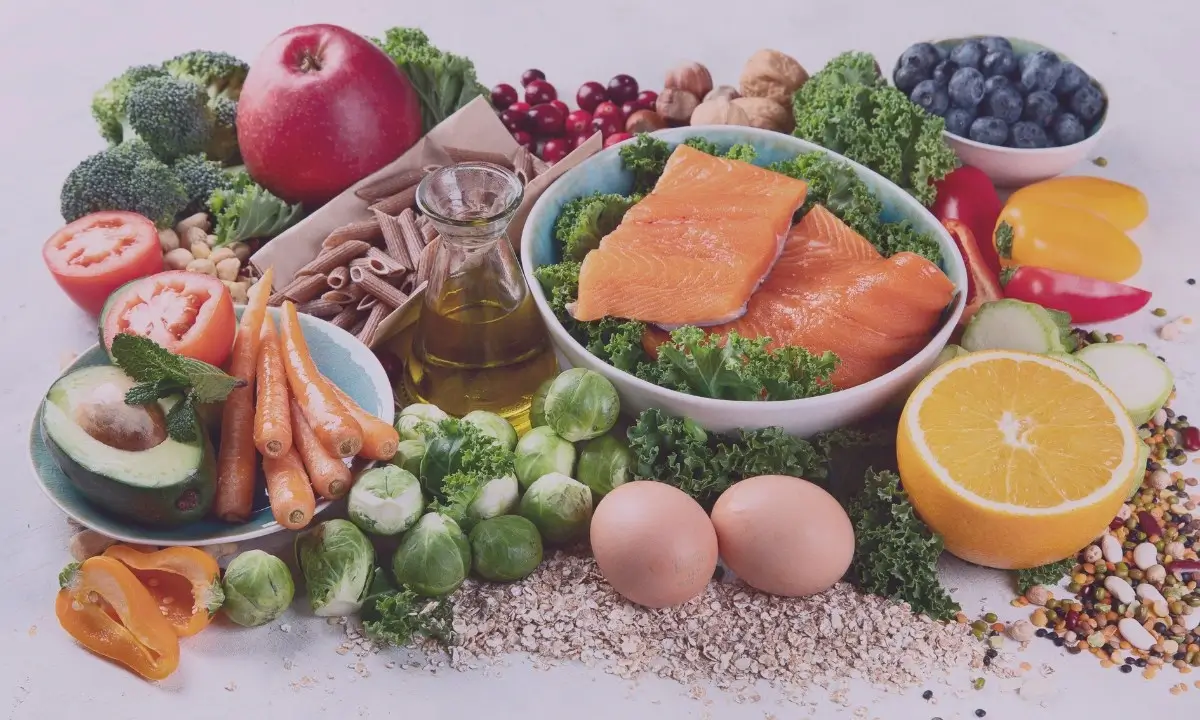
Best Fiber-Rich Foods to Include in Your Diet
1. Broccoli
Not only is broccoli packed with vitamins and minerals, but it also offers an impressive amount of fiber. A single cup of chopped broccoli provides about 5 grams of fiber. The fiber in broccoli promotes digestive regularity and supports a healthy microbiome. Plus, broccoli contains antioxidants that can reduce inflammation in the gut.
2. Raspberries
Raspberries are one of the most fiber-rich fruits available. One cup of raspberries offers about 8 grams of fiber, making them an excellent addition to your diet. They’re also packed with vitamins and antioxidants that promote gut health and help fight inflammation.
3. Split Peas
A staple in many diets, split peas are an incredible source of both soluble and insoluble fiber. Just half a cup of cooked split peas contains around 8 grams of fiber. They can help maintain stable blood sugar levels, reduce cholesterol, and support weight management.
4. Chia Seeds
Chia seeds might be tiny, but they are mighty! One ounce of chia seeds contains a whopping 10 grams of fiber. These seeds absorb water and expand in the stomach, promoting a feeling of fullness while feeding the good bacteria in the gut.
5. Brown Rice
Brown rice is an excellent source of whole grain fiber. One cup of cooked brown rice provides about 3.5 grams of fiber. It’s a great alternative to refined grains like white rice, which have had most of their fiber removed during processing.
Colon Hydrotherapy as a Complement to Dietary Fiber
If you’re incorporating more fiber into your diet, you may also want to consider Colon Hydrotherapy as part of your gastrointestinal health routine. Fiber helps your digestive system run smoothly, but over time, waste can build up in the colon, leading to sluggish digestion, bloating, and discomfort.
Colon Hydrotherapy, often referred to as a colonic, is a procedure that gently flushes out the colon with water to remove built-up waste, toxins, and undigested food particles. It serves as an excellent complement to a fiber-rich diet, ensuring your digestive system remains clean and functional.
Incorporating colon hydrotherapy into your wellness routine can also help with hormonal balance. As mentioned earlier, fiber helps eliminate excess hormones, but sometimes, the colon needs additional assistance in clearing out these substances. Colon Hydrotherapy can support a more balanced hormonal system by aiding in the removal of toxins and excess hormones from the digestive tract.
If you’re in the New York City area and looking to boost your gut health, consider visiting Atlant Health Wellness Center for Colon Hydrotherapy in NYC. Our skilled technicians provide a nurturing experience that can enhance your gastrointestinal healing journey alongside dietary changes.
Start Slowly With Fiber
If your current diet lacks fiber, it’s essential to start incorporating it gradually. Adding too much fiber too quickly can lead to bloating, gas, and other digestive discomforts. Begin by introducing fiber-rich foods one at a time, allowing your body to adjust. Drinking plenty of water is also crucial, as it helps fiber move smoothly through your digestive system.
People Also Ask: Common Questions About Dietary Fiber
- What is dietary fiber, and why is it important?
- Dietary fiber is a type of carbohydrate that the body cannot digest. It’s essential for regulating bowel movements, maintaining a healthy weight, and supporting gut and heart health.
- How much fiber should I eat daily?
- The recommended daily intake for adults is around 25 grams for women and 38 grams for men. However, most people don’t consume enough fiber in their daily diets.
- What are the best sources of dietary fiber?
- Great sources of fiber include fruits, vegetables, legumes, whole grains, nuts, and seeds. Examples include broccoli, raspberries, chia seeds, and brown rice.
- Can eating too much fiber be harmful?
- While fiber is beneficial, consuming too much too quickly can lead to digestive discomfort, including bloating and gas. It’s best to increase fiber intake gradually and drink plenty of water.
- How does fiber support the immune system?
- Fiber acts as a prebiotic, feeding beneficial bacteria in the gut. A healthy microbiome plays a vital role in immune function, helping to combat harmful pathogens and regulate inflammation.
Conclusion
Incorporating more fiber into your diet is a transformative step towards better gut health and overall wellness. A fiber-rich diet can regulate digestion, feed your microbiome, support immune function, and even improve hormonal balance. Starting slow and making thoughtful changes to your diet can yield long-term benefits for your gastrointestinal health.
For those seeking a deeper detox or enhanced gut health, Colon Hydrotherapy can serve as a complementary practice to a fiber-rich diet. At Atlant Health Wellness Center in NYC, we provide expert Colon Hydrotherapy sessions designed to optimize your digestive system and support your overall well-being. Your body and future self will thank you for nourishing your gut with fiber and maintaining a clean, healthy digestive system!
If you have any questions, please contact our Wellness Center by calling (212) 719-3611 or fill out the form online on our Contact Us Page