Feeling puffy, heavy, or unusually sluggish despite eating well and staying active can be subtle signs that your lymphatic system needs support. In a fast-paced city like New York, long hours at a desk, frequent travel, and ongoing stress can slow lymph flow, contributing to swelling, slower recovery, skin changes, and increased susceptibility to colds. The good news: targeted Lymphatic Drainage Therapy is a gentle, supportive approach designed to encourage fluid movement, reduce inflammation, and promote immune balance, helping the body function more efficiently over time.
Hidden Signs of Lymphatic Congestion That Most People Miss
Your lymphatic system helps keep fluid balance, immune surveillance, and fat absorption humming along all day, every day. When flow slows, you may not notice dramatic symptoms at first – just a sense of puffiness, heaviness, or that “I’m not recovering like I used to” feeling. Over time, stagnation can contribute to swelling, limited range of motion, skin texture changes, and more frequent infections – Cleveland Clinic
Crucially, “lymphatic congestion” isn’t a formal diagnosis; it’s a useful everyday phrase for when lymph flow is sluggish. If you’re experiencing significant or persistent swelling, pain, redness, or heat, speak with a clinician to rule out other causes and discuss the right plan for you. For medically diagnosed lymphedema, care may include compression, exercise, skin care, and manual lymphatic drainage (MLD) under professional guidance. Cleveland Clinic
9 hidden signs your lymph may be asking for help
- Morning facial puffiness or “tight rings” mid-day
Fluid often pools overnight or during long periods of sitting, especially if you work at a desk or travel often. If your rings fit in the morning but feel snug later, your fluid balance may be off. - A feeling of heaviness or stiffness in limbs
That “cement legs” sensation after flights or marathon workdays can reflect fluid retention and impaired microcirculation – classic early clues before visible swelling appears. Mayo Clinic - Slower recovery from workouts or procedures
If DOMS lingers or post-procedure swelling seems to hang around, your lymphatic system may need support to clear byproducts and tissue fluid more efficiently. (Many surgeons recommend Lymphatic Drainage Therpay during approved recovery windows.) PubMed - Recurring skin flare-ups or texture changes
While many factors affect skin, sluggish lymph can contribute to dullness and localized swelling. Over time, unmanaged swelling can harden tissues (fibrosis) in clinical lymphedema scenarios. - Frequent colds or “I catch everything”
Your lymph nodes are immune hubs. If you’re constantly fighting small infections or feeling run-down, consider whether fluid movement, sleep, and stress management could be optimized. </a> - Digestive bloat that isn’t just “food”
The lymph system (via intestinal lacteals) helps absorb fats and fat-soluble nutrients. When overall flow is sluggish, some people notice bloating and a “slowed-down” feeling even with a dialed-in diet. NCBI - Restricted range of motion after sitting
If your joints feel stiff after desk time and only loosen once you start walking, low-grade fluid retention may be part of the story. Gentle movement is a natural lymph pump. - Swelling that fluctuates with heat, salt, or travel
Heat exposure, higher-salt meals, and long flights can all exacerbate fluid retention—often a sign to support circulation and lymph movement. - Noticeable, persistent limb swelling
This is the time to talk with a healthcare professional. Persistent swelling, pain, skin thickening, or frequent infections can indicate lymphedema and deserves a structured plan.
NYC lifestyle factors that slow lymph flow (and how to fix them)
- Desk marathons & subway commutes: Set “movement snacks” every 60–90 minutes: 20 calf raises, 60 seconds of brisk hallway walking, or 10 deep diaphragmatic breaths.
- Travel & events: Hydrate, wear light compression if appropriate, and book lymphatic drainage the week you return.
- Chronic stress: The sympathetic “fight-or-flight” state can tighten everything—breath, fascia, and even microcirculation. Build in small daily downshifts.
Want a deeper foundation first? Start with this primer: Lymphatic Drainage Therapy & Its Benefits, then explore why the lymph system is so often overlooked: The Lymphatic System Is the Most Neglected System in the Body.
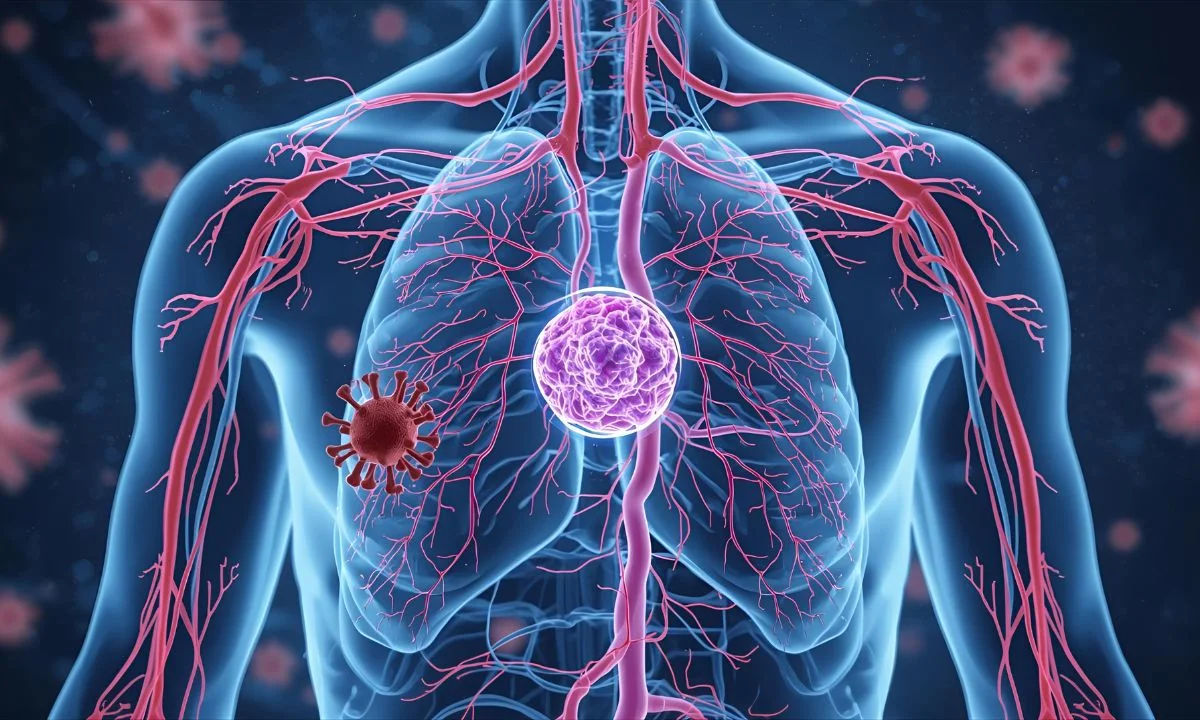
What lymphatic drainage therapy can (and can’t) do
What it can do:
- Encourage movement of lymph and interstitial fluid
- Ease a sense of heaviness or puffiness
- Support post-exercise and post-surgical recovery plans when medically cleared
- Complement compression, exercise, and skin care in lymphedema care pathways (per clinical guidance) Cochrane
What it can’t do:
- Replace medical evaluation for persistent swelling, redness, pain, or heat
- “Cure” lymphedema—current best practice is long-term management and symptom reduction Cleveland Clinic
Why we pair skilled hands with technology (for consistent, gentle results)
At Atlant Health Wellness Center (Midtown East), we combine therapist-guided techniques with device-assisted lymphatic enhancement for a gentle but consistent stimulus. That consistency matters, especially for post-procedure timelines (with clearance), stubborn puffiness, or when you want repeatable outcomes week to week. Clinical literature supports MLD for breast-cancer-related lymphedema and suggests early use after certain surgeries may reduce progression to full clinical lymphedema. PMC+
Ready to feel lighter? Book your Lymphatic Drainage Therapy in NYC.
How to support your lymph (today)
- Hydrate: Your lymph is mostly water; dehydration thickens the fluid. Cleveland Clinic
- Breathe low and slow: The diaphragm is a major lymph pump.
- Move often: Calf-muscle “pumps,” walking, rebounding, or light yoga.
- Contrast showers: End with 30–60 seconds of cool water to wake up microcirculation.
- Sleep: Your immune and repair systems rely on it.
Frequently Aske Questions (FAQ)
Is lymphatic congestion the same as lymphedema?
No. “Congestion” is informal language for sluggish flow; lymphedema is a medical condition involving persistent swelling from lymphatic damage or obstruction and often needs compression, exercise, skin care, and sometimes MLD under clinical guidance. NCBI
Will I feel a difference after one session?
Many clients report feeling lighter within 24 hours. For ongoing puffiness, post-travel bloat, or post-procedure recovery (with clearance), a short series works best, then shift to maintenance.
Is manual lymphatic drainage evidence-based?
Yes, especially as part of comprehensive care for breast-cancer-related lymphedema, and there’s evidence it can help reduce progression when started early post-op. Effects vary by case severity; we’ll help you decide what’s appropriate. Cochrane
How gentle is it?
Very. Lymphatic work uses light, rhythmic pressure—no deep digging—plus our device-assisted method adds a consistent, soothing stimulus.
Who shouldn’t get lymphatic drainage?
If you have an active infection, blood clots, uncontrolled heart issues, or you’re pregnant without provider clearance, talk with your clinician first.
When you are ready
If these signs sound familiar, we’d love to help you feel lighter and clearer. Schedule a Lymphatic Drainage session in Midtown East, NYC and let’s get your flow back.
References (clinical & educational sources)
- Cleveland Clinic — Lymphatic System functions & overview. Cleveland Clinic
- Cleveland Clinic — Lymph: fluid composition & role in health. Cleveland Clinic
- Mayo Clinic — Lymphedema signs & symptoms. Mayo Clinic
- StatPearls/NCBI — Lymphedema signs, distribution, and clinical features. NCBI
- Cochrane Review — Manual Lymphatic Drainage for breast-cancer-related lymphedema & role within CDT. Cochrane
- PubMed Review (2021) — Early MLD may help prevent progression to clinical lymphedema. PubMed
- Clinical studies/meta-analyses on MLD for edema, pain, ROM, QoL (overview).ScienceDirect