You eat well. You exercise. But the scale won’t budge, your energy crashes mid-afternoon, and your digestion feels like it’s running on dial-up. The problem might not be your willpower. It might be your gut microbiome. Research published in 2025 and 2026 confirms what scientists have suspected for years: the trillions of bacteria living in your gut are not passive passengers. They actively regulate how your body burns calories, manages blood sugar, stores fat, and even signals your brain to feel hungry or full. When that microbial community gets out of balance, your metabolism follows. Here’s what the science now shows, and what you can do about it.
What Is the Gut Microbiome, and Why Are People Suddenly Talking About It?
The gut microbiome is the vast community of microorganisms living inside your digestive tract, primarily in the large intestine. We’re talking about approximately 100 trillion microbes, including bacteria, fungi, and viruses, representing somewhere between 500 and 1,000 distinct species. That’s more microbial cells than there are human cells in your entire body.
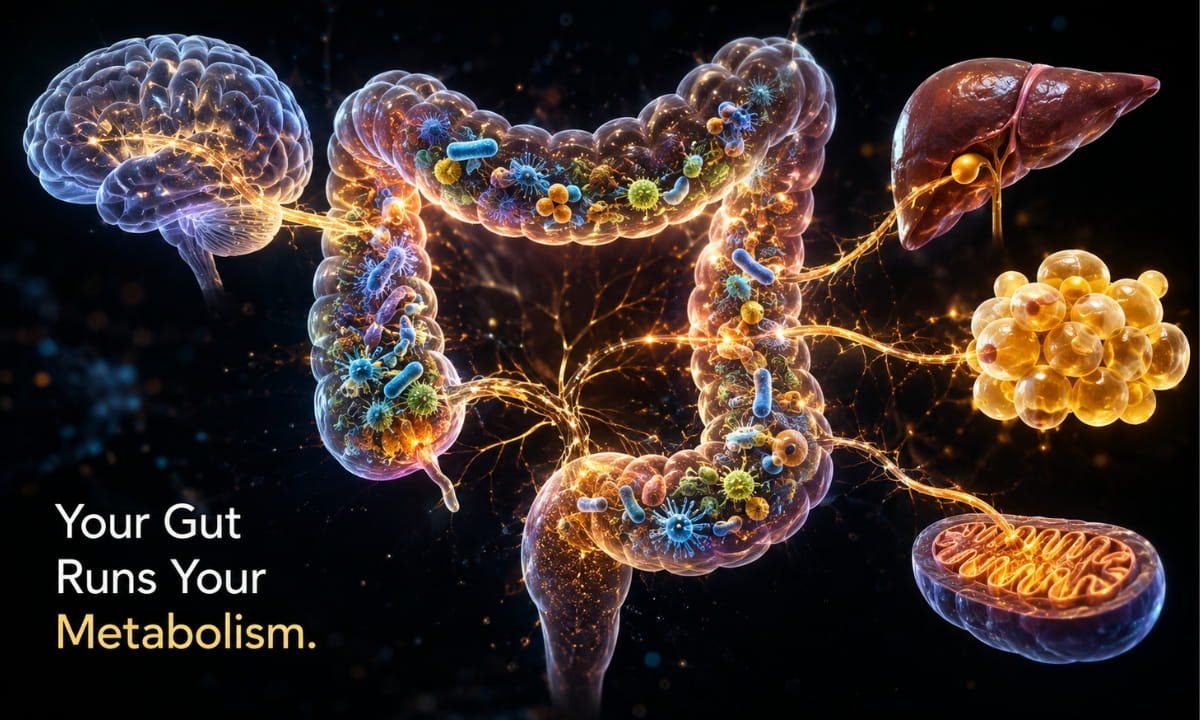
For most of modern medicine, the gut was treated as a passive pipe. Food goes in, waste comes out. Scientists now know that picture is completely wrong. Your gut microbiome acts more like a second metabolic organ, generating chemical signals that influence virtually every system in your body, including how you process energy, regulate hormones, manage inflammation, and even think and feel.
The surge in public and clinical interest is not hype. A 2026 peer-reviewed review in Gut Microbes described the gut microbiome as a fundamental regulator of metabolic health, shaping energy balance, insulin sensitivity, inflammatory tone, and inter-organ communication through a broad spectrum of microbial metabolites. That’s a mouthful, but the translation is simple: what lives in your gut has enormous say over how well your metabolism works.
The Hidden Engine Behind Your Metabolism
Most people think metabolism is about genetics and thyroid function. Those matter, but the conversation is increasingly shifting toward the gut.
Here’s what’s happening at the microbial level: when your gut bacteria ferment dietary fiber, they produce a group of compounds called short-chain fatty acids (SCFAs). The three primary ones are acetate, propionate, and butyrate. These molecules are not just waste products. They are metabolic messengers.
A 2025 systematic review published in PMC looked at human studies on fecal SCFAs and metabolic outcomes and found that targeted supplementation of propionate and butyrate improved insulin sensitivity and reduced energy intake across multiple study designs. Even more striking, an earlier landmark analysis in PubMed confirmed that SCFAs produced from fiber fermentation regulate gut-derived hormones, including GLP-1 (glucagon-like peptide-1) and PYY (peptide YY), which directly suppress appetite and improve glucose tolerance.
So gut bacteria are essentially producing your body’s own appetite-regulating hormones. When the microbiome is healthy and diverse, this system hums along. When it’s disrupted, the signal breaks down.
“Your gut microbiome doesn’t just affect digestion. It runs the control panel for how your body burns and stores energy.”
When Gut Bacteria Turn Against You
Dysbiosis, the clinical term for an imbalanced gut microbiome, doesn’t always announce itself with obvious digestive distress. Sometimes it shows up as symptoms you’d never connect to your gut at all.
Weight Gain That Doesn’t Add Up
Certain bacterial strains are more efficient at extracting calories from the same food than others. Research on gut-brain signaling published in 2024 found that high-fat diet-induced dysbiosis was associated with structural changes in vagally mediated gut-brain communication, contributing to overeating and obesity. In other words, the wrong bacterial composition can literally rewire the hunger signals your gut sends to your brain.
Persistent Fatigue and Brain Fog
The gut and brain are in constant two-way communication through what researchers call the gut-brain axis. When your microbiome is imbalanced, it can disrupt neurotransmitter production and inflammatory signaling, resulting in cognitive sluggishness, mood swings, and the kind of low-grade mental haze that makes it hard to concentrate or feel motivated. Clients often come in complaining of fatigue and brain fog, not gut problems, and leave describing noticeable shifts in how they feel mentally after improving their digestive health.
Blood Sugar Instability and Cravings
Microbiome imbalance has been linked to insulin resistance, disrupted glucose processing, and the kind of relentless sugar cravings that torpedo the best-laid healthy eating plans. Certain microbes actually thrive on sugar and may influence cravings by altering gut-derived signaling molecules. If you’ve ever felt controlled by afternoon sugar crashes, your gut bacteria may be partly running that show.
Bloating, Sluggishness, and Backed-Up Digestion
The most direct symptoms of dysbiosis are digestive: bloating, irregular bowel movements, constipation, cramping, and a general sense that your gut is running behind schedule. These aren’t just uncomfortable. They’re a signal that the microbial environment in the colon has tipped out of balance, and the downstream effects on metabolism, energy, and systemic inflammation may not be far behind.
What the Latest Research Is Actually Saying
The science has moved well past correlation and into mechanism. Researchers now have a clearer picture of exactly how the microbiome shapes metabolic outcomes.
One of the most discussed findings involves Akkermansia muciniphila, a bacterium associated with improved metabolic markers. A landmark first-in-human trial published in Nature Medicine found that daily supplementation with this specific bacterium improved insulin sensitivity, reduced fasting insulin, and lowered total cholesterol in overweight, insulin-resistant adults. A 2025 randomized controlled trial then added an important nuance: the metabolic benefit was strongly dependent on baseline levels of this bacterium. People who already had adequate amounts saw little to no response. Those who were deficient saw significant improvement.
The takeaway? Not everyone’s microbiome needs the same thing. And without actually assessing what’s living in your gut, most interventions are guesswork.
Beyond individual bacteria, the research on bile acid metabolism is also illuminating. Studies from 2025 found that variations in how the microbiome processes bile acids can predict individual responses to dietary interventions, paving the way for what researchers are calling precision nutrition strategies based on gut microbial profiles. We’re moving toward a world where what you eat may need to be customized not just to your genetics, but to your gut microbiome composition.
A 2026 review in Frontiers in Microbiomes noted that the human gut microbiota is critical for regulating host metabolism, immune responses, epithelial integrity, and systemic homeostasis, and disturbance has been linked to metabolic, inflammatory, and immune-mediated illnesses.
Translation: this is not a niche topic. This sits at the center of how we understand chronic illness and metabolic health going forward.
How to Support a Healthier Gut Microbiome
The good news is that the microbiome is responsive to change. It shifts based on what you eat, how you move, how you sleep, and how you manage stress. None of these are small levers.
Feed Your Bacteria, Not Just Yourself
Dietary fiber is the most powerful tool you have. Specifically, prebiotic fiber (found in foods like garlic, onion, leeks, asparagus, oats, and slightly underripe bananas) directly feeds the beneficial bacteria that produce SCFAs. A diet rich in colorful vegetables, legumes, and fermented foods like kefir, kimchi, and sauerkraut supports microbial diversity in ways that processed foods simply cannot.
Move Your Body Regularly
Physical activity has been shown to independently shift the microbiome toward beneficial compositions, even before diet changes. Walking, resistance training, and anything that gets you consistently moving supports both gut motility and microbial health. An active gut is a happier gut.
Manage Stress and Prioritize Sleep
The gut-brain axis runs in both directions. Chronic stress floods the gut with cortisol, disrupting the balance of microbial populations and increasing intestinal permeability (commonly called leaky gut). Poor sleep compounds this. Supporting your nervous system through intentional rest, stress reduction practices, and consistent sleep schedules is as important for your gut as any supplement.
Consider Working with a Functional Practitioner
Given how personalized the microbiome is, a functional medicine practitioner can help assess your specific gut environment and identify targeted interventions, whether that’s a particular probiotic strain, dietary protocol, or therapeutic support. A one-size-fits-all approach to gut health rarely works for long, because every person’s microbial ecosystem is genuinely different.
Give Your Colon a Clean Slate
This is where professional support can play a meaningful supporting role. For people dealing with accumulated waste, chronic constipation, or sluggish bowel function, the colon environment itself can work against microbial restoration. Think of it this way: introducing beneficial bacteria into a heavily backed-up, inflamed environment is a bit like planting seeds in soil that hasn’t been tended.
That’s why some wellness practitioners include colon hydrotherapy as a preparatory step in a broader gut restoration protocol. A professionally performed colonic can help clear impacted waste and reduce the burden in the large intestine, creating a cleaner environment in which dietary changes, probiotics, and microbiome-supportive habits can take better hold. At Atlant Health Wellness Center, our colonic hydrotherapy sessions in NYC are performed with a closed-system, triple-filtered water, and with full attention to your individual comfort and goals. We’re not treating dysbiosis with a colonic. But for the right person, clearing physical congestion from the colon is a reasonable first step before rebuilding.
If you’ve been struggling with constipation, irregular digestion, or that general “backed up” feeling that makes everything else harder, our colon cleanse and detox service may be worth exploring as part of a thoughtful, multi-step approach to gut and metabolic health.
Key Takeaways
- Your gut microbiome directly influences how your body burns calories, regulates blood sugar, and controls appetite through chemical messengers called short-chain fatty acids.
- Gut dysbiosis (microbial imbalance) has been linked to weight gain, brain fog, fatigue, blood sugar instability, chronic bloating, and cravings, even when diet appears “fine.”
- Research from 2025 and 2026 confirms the microbiome’s role as a fundamental metabolic regulator, not just a digestion aid.
- The response to gut-targeted interventions is highly individual. What works depends on your specific microbial composition, not just general advice.
- Diet rich in fiber and fermented foods, regular physical activity, quality sleep, and stress management are the foundational pillars of microbiome restoration.
- Professional support, including working with a functional medicine practitioner and, when appropriate, therapeutic gut cleansing, can accelerate the process for the right person.
The Bottom Line: Your Metabolism Has a Microbiome Problem – Or a Solution
We’ve spent decades treating metabolism like a math problem: calories in, calories out. The emerging science is rewriting that story.
The organisms living in your large intestine are not background noise. They are active participants in how your body processes food, burns fat, regulates hormones, communicates with your brain, and manages inflammation. When they’re thriving, your metabolism tends to reflect that. When they’re depleted, disrupted, or overrun by less beneficial species, the consequences can show up as weight struggles, persistent fatigue, cognitive fog, and digestive misery that no amount of willpower will fully resolve.
Here’s the question worth sitting with: if your gut microbiome has been shaping your metabolism all along, what would it mean for your health if you actually started treating it that way?
That’s not a rhetorical question. It’s an invitation.
If you’re in New York City and ready to take a more intentional approach to gut health, we’d love to be part of that conversation. You can explore our colonic hydrotherapy sessions in Midtown Manhattan, read about what to expect at your first colon hydrotherapy session, and reach out to our team to see if this kind of support makes sense for where you are right now.
Related Reading
- How Gut Health Is Connected to Your Whole Body – and Why Clearing It Out First Changes Everything
- Your Gut Is Backed Up: How Colon Hydrotherapy Restores Regular Bowel Movements
- Can a Colon Cleanse Help You Lose Weight? What Colon Hydrotherapy Can (and Can’t) Do
Frequently Asked Questions
How does the gut microbiome affect metabolism?
The gut microbiome affects metabolism primarily through short-chain fatty acids (SCFAs) produced when gut bacteria ferment dietary fiber. These compounds regulate appetite hormones like GLP-1 and PYY, influence insulin sensitivity, modulate inflammation, and help determine how efficiently your body extracts and uses energy from food. An imbalanced microbiome disrupts these processes and can contribute to weight gain, blood sugar instability, and sluggish energy.
What are signs of a gut microbiome imbalance affecting metabolism?
Common signs include unexplained weight gain or difficulty losing weight despite a good diet, chronic bloating, irregular bowel movements or constipation, persistent fatigue, brain fog, sugar cravings, and blood sugar fluctuations. These symptoms often occur together and may reflect underlying dysbiosis rather than any single food or lifestyle factor.
Can you fix your gut microbiome naturally?
Yes, in many cases. The microbiome is highly responsive to dietary changes, particularly increasing dietary fiber, prebiotic foods, and fermented foods. Regular physical activity, quality sleep, and stress management also play significant roles. For more complex or persistent situations, working with a functional medicine practitioner to assess your specific gut environment can help identify targeted interventions.
How long does it take to restore gut microbiome balance?
Research suggests meaningful shifts in microbial composition can occur within two to four weeks of consistent dietary changes. However, more significant restoration, especially after antibiotic use, chronic stress, or years of poor diet, can take three to six months or longer. Consistency matters more than speed.
Does colon hydrotherapy help restore the gut microbiome?
Colon hydrotherapy is not a direct microbiome restoration therapy, but it may help create a cleaner intestinal environment as part of a broader gut health protocol. For individuals dealing with impacted waste, chronic constipation, or significant digestive sluggishness, clearing the colon can support the conditions needed for beneficial bacteria and dietary changes to take better effect. It works best when paired with probiotic support, dietary improvements, and professional guidance, not as a standalone fix.
What foods are worst for the gut microbiome?
Highly processed foods, excess refined sugar, alcohol, artificial sweeteners, and diets low in fiber are the primary drivers of microbial imbalance. These foods either starve beneficial bacteria, feed less beneficial species, or disrupt the gut lining. Antibiotic overuse is also a major disruptor of microbial diversity.
Is gut health connected to weight loss resistance?
Yes. Research confirms that certain bacterial strains extract more calories from the same amount of food than others, and that dysbiosis can disrupt the hormonal signals that regulate hunger and satiety. People who struggle to lose weight despite good effort sometimes have an underlying gut microbiome imbalance that affects how their metabolism functions, independent of calories consumed.
Can gut bacteria affect mood and cognitive function?
Absolutely. The gut-brain axis is a well-established bidirectional communication network. Gut bacteria influence the production of neurotransmitters like serotonin (approximately 90% of which is produced in the gut) and send inflammatory signals that affect brain function. Dysbiosis has been linked to anxiety, mood instability, and cognitive fog in multiple research contexts.
References
- Li Z, et al. “Gut microbiome and metabolic health: mechanisms and precision interventions.” Gut Microbes. 2026 Apr 21;18(1):2644677. https://pmc.ncbi.nlm.nih.gov/articles/PMC13108366/
- Ahmad S, Assaf M, Thomas B, et al. “Fecal Short-Chain Fatty Acids (SCFAs) and Their Role in Metabolic Disorders: A Systematic Review.” Cureus. 2025 Sep;17(9):e91579. https://pmc.ncbi.nlm.nih.gov/articles/PMC12497432/
- Chambers ES, Preston T, Frost G, Morrison DJ. “Role of Gut Microbiota-Generated Short-Chain Fatty Acids in Metabolic and Cardiovascular Health.” Current Nutrition Reports. PubMed. https://pubmed.ncbi.nlm.nih.gov/30264354/
- Minaya DM, Kim JS, et al. “Transfer of microbiota from lean donors in combination with prebiotics prevents excessive weight gain and improves gut-brain vagal signaling in obese rats.” Gut Microbes. 2024 Nov;16(1):2421581. https://pmc.ncbi.nlm.nih.gov/articles/PMC11540078/
- Mederle AL, et al. “Impact of Gut Microbiome Interventions on Glucose and Lipid Metabolism in Metabolic Diseases: A Systematic Review and Meta-Analysis.” Life. 2024;14(11):1485. https://pmc.ncbi.nlm.nih.gov/articles/PMC11595434/
- Gut Microbiota for Health Editors. “Key advances in gut microbiome research during 2025.” Gut Microbiota for Health. January 12, 2026. https://www.gutmicrobiotaforhealth.com/key-advances-in-gut-microbiome-research-during-2025/